
|
Gudersnipe is a school very fond of traditions. They only hold to them when it’s convenient, but one tradition that will never go out of style is the classic brainchild of the first pioneers in oceanic warfare.
Therefore, the Gudersnipe School Fleet proudly presents:
The Naval Review
Drop Ships and Fighters
|
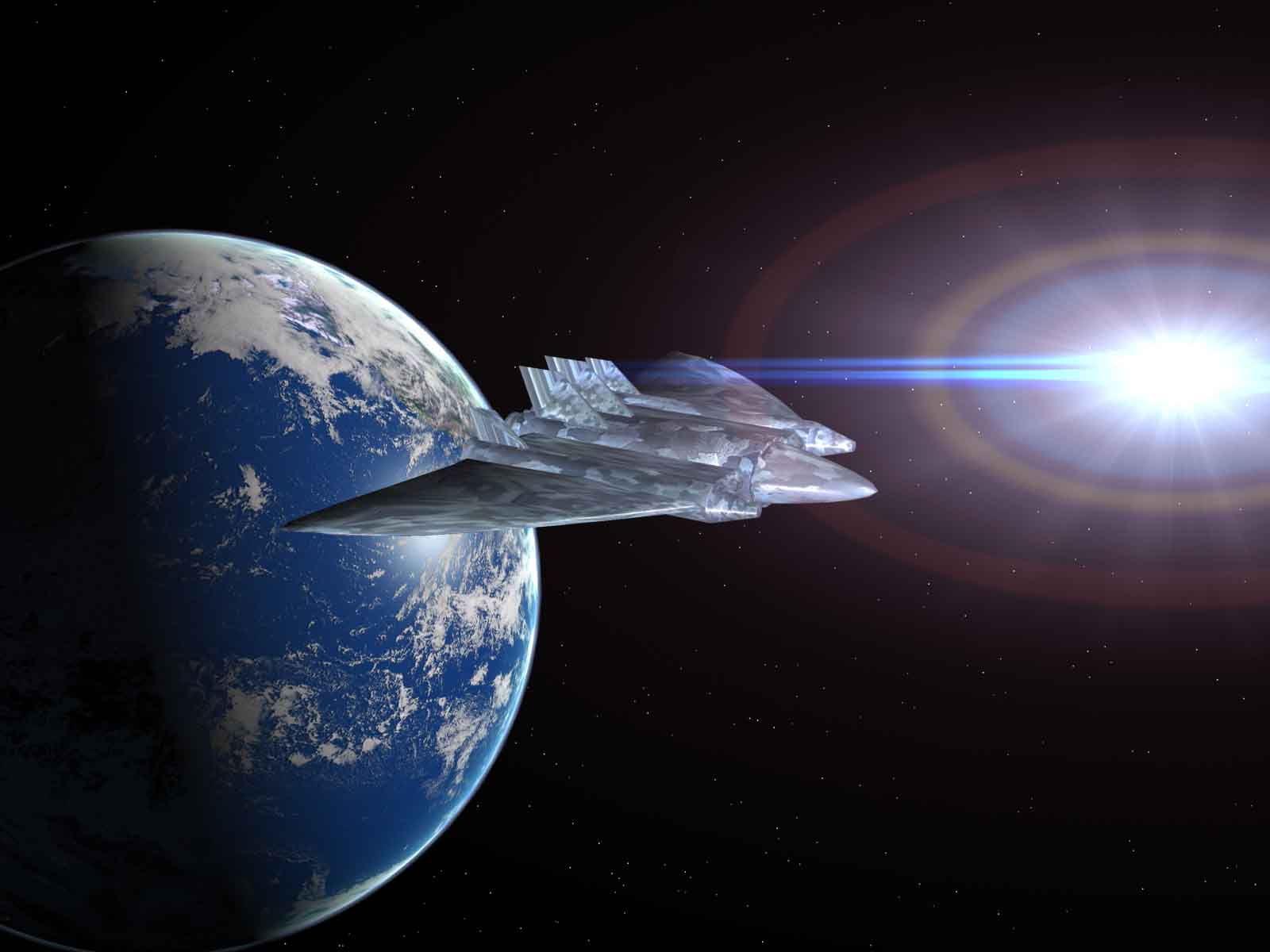
The J3557 Harpy is heralded as the backbone of the Gudersnipe Fleet. Originally specked as a long range bomber, the incredible versatility of this fighter has caused it to fill almost every other role in the fleet.
|
|
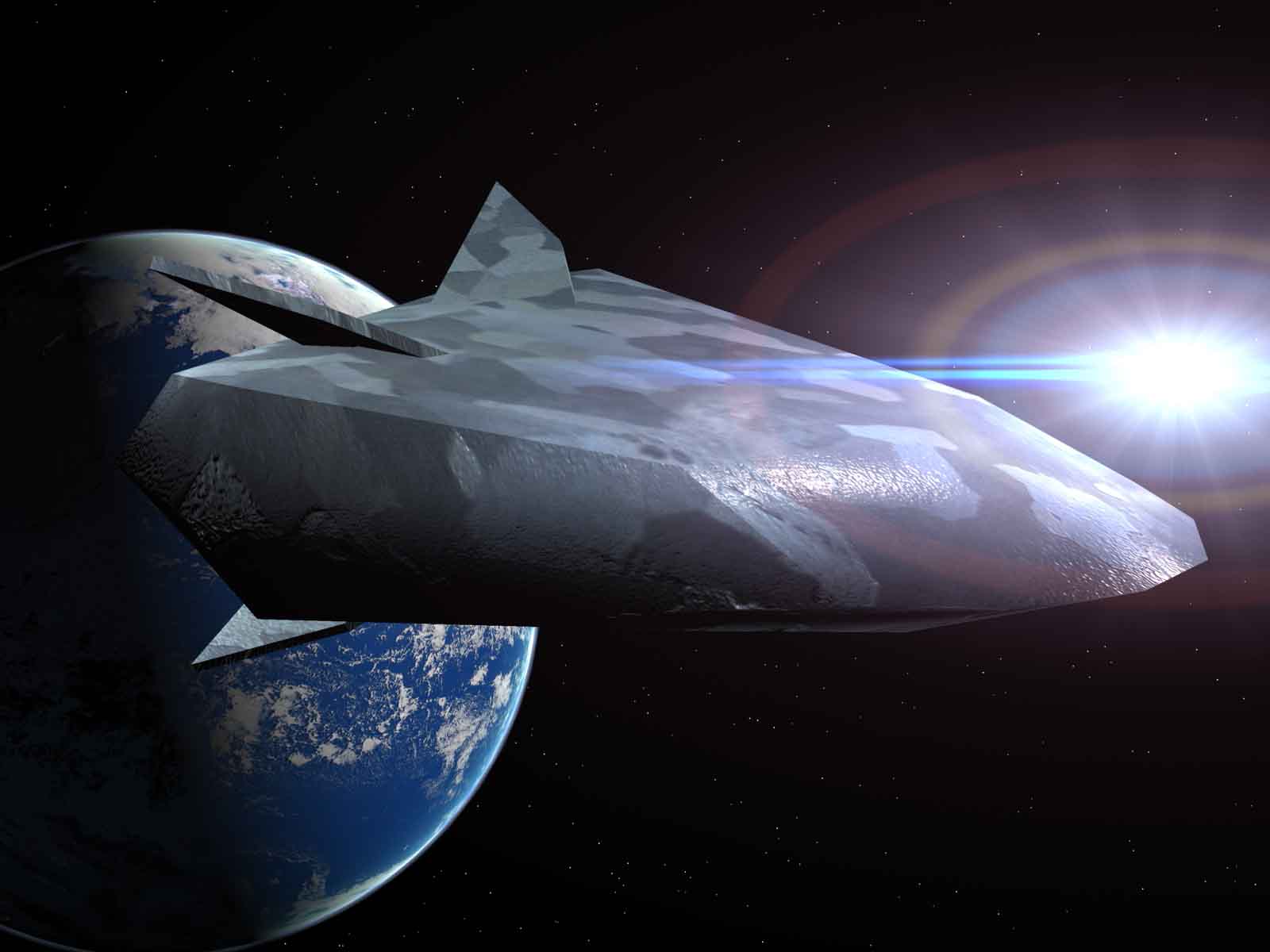
The J3005 Gargoyle is the big-brother of the Harpy. This midrange bomber sees less combat than the Harpy, but its larger payload and more advanced shields often allow it to penetrate deeper into enemy formations.
|
|
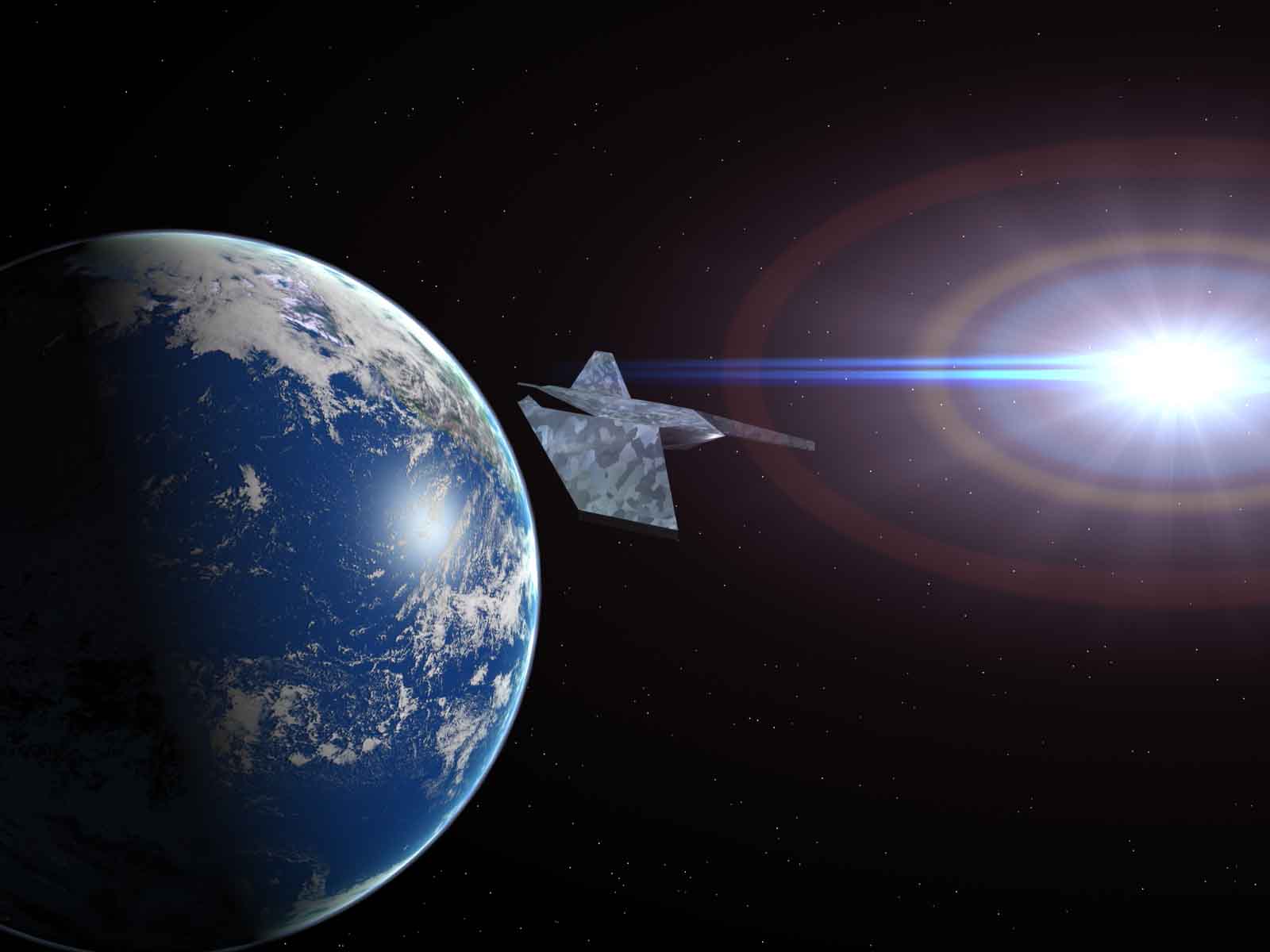
The Nimbus is the often overlooked and unsung hero of the fleet. For this lightweight fighter, many of the standard systems have been removed to decrease size. The Nimbus has no FTL drive, no escape pods, and minimal navigation and support systems. The Nimbus is classified as an escort craft, and is small enough to be carried by nearly every ship in the fleet. When carriers aren’t around, the disposable Nimbus fills the defensive gap. Because of their low quality and high success rate, the Nimbuses have earned a nickname “The dogs of War”
|
|
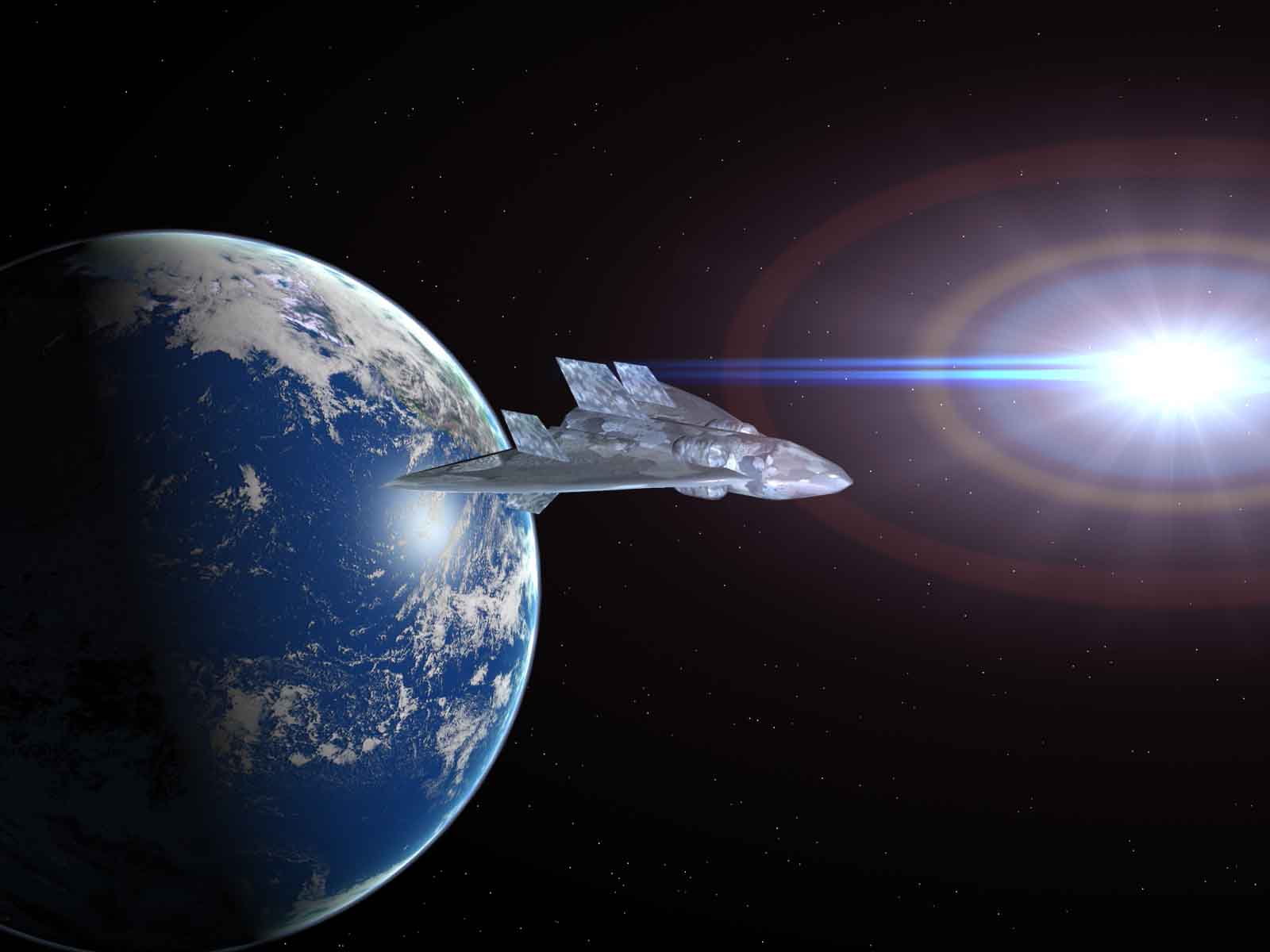
The J30001 Hawk is now obsolete. Originally, they were specked to escort the Harpy Long Rang bombers, but fell out of favor when it became clear that the Harpies could look after themselves.
|
|
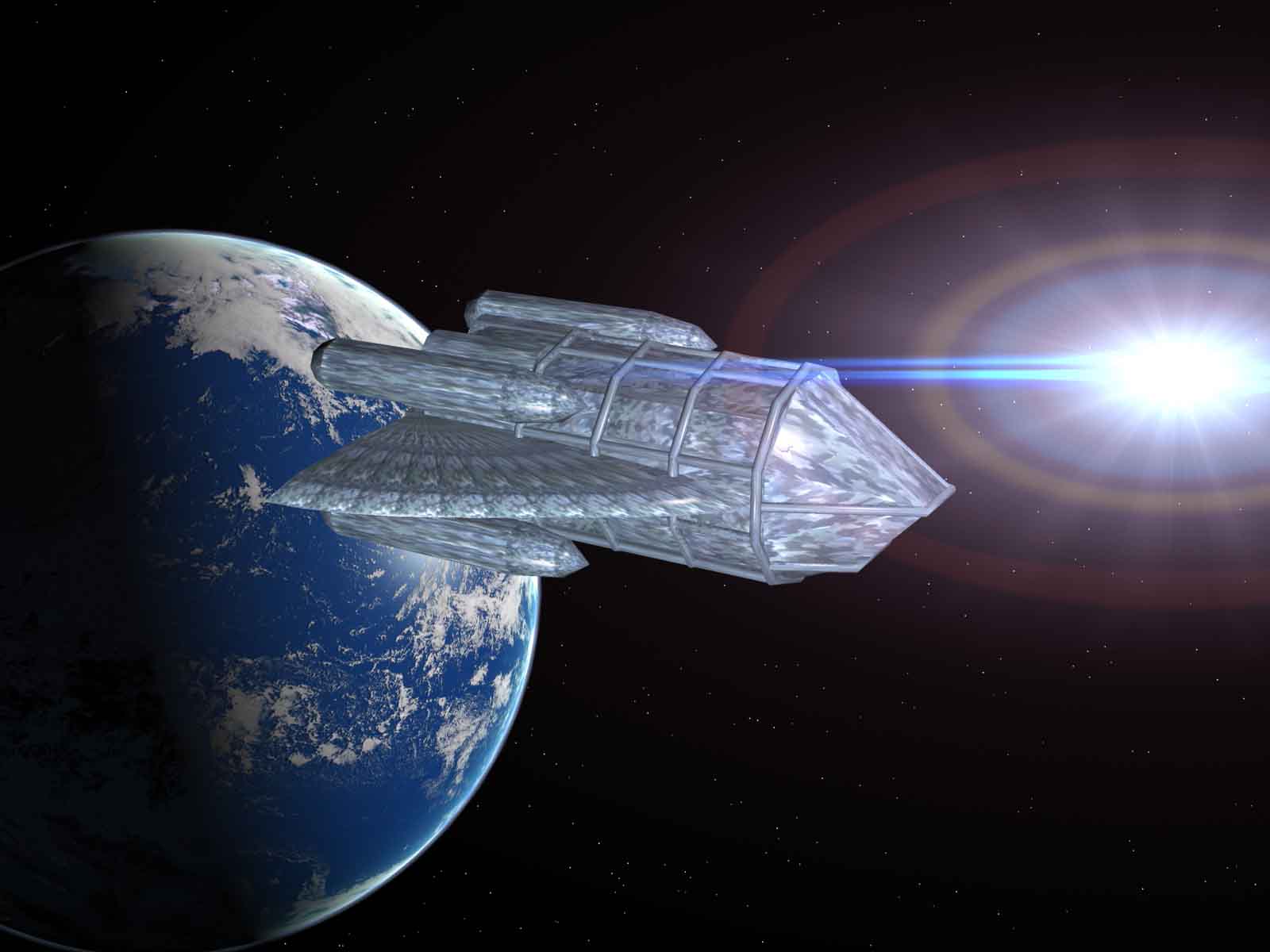
The J3037 Sinker is the drop-ship of the fleet. Sinkers are sued to shuttle troops down to the surface; each ship can carry over 200 soldiers.
|
|
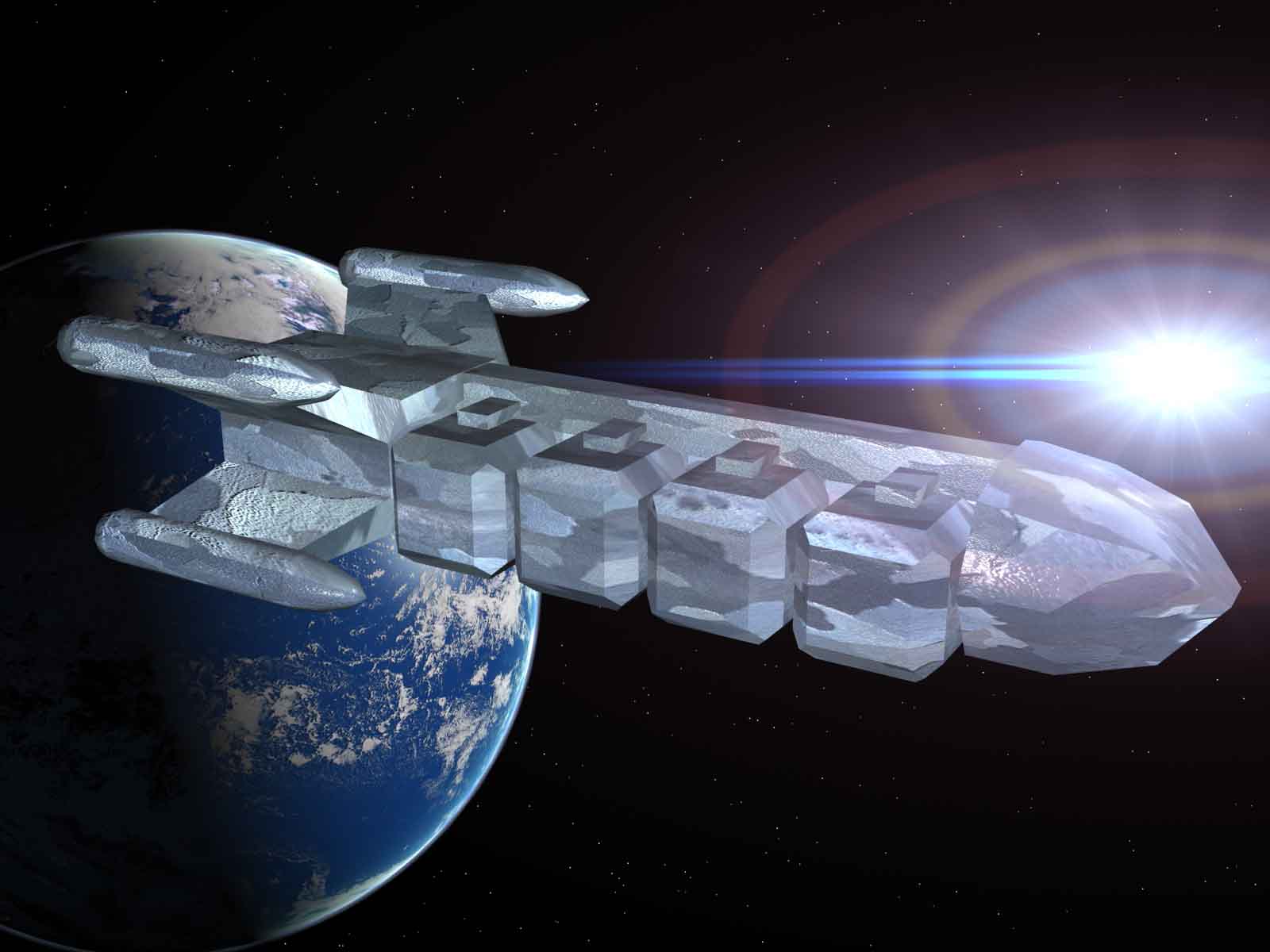
The M4077 Subra drop ship is a mech transport. The ship is capable of landing, but can also eject its cargo pods at low altitude. Each drop ship carries eight mechs.
|
*One fighter wing consists of 8 fighters.
Cruisers and Support Ships
|
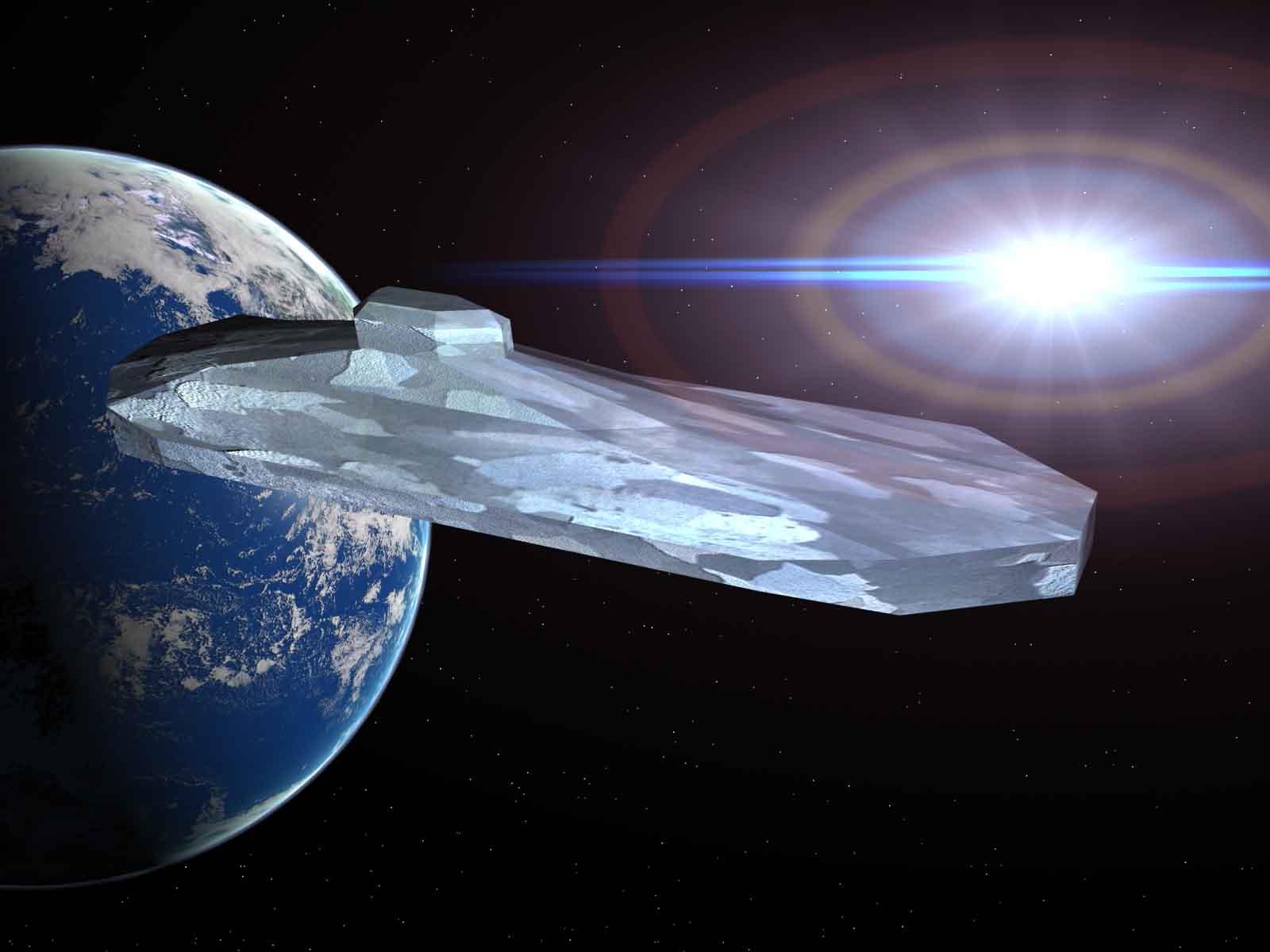
The D201 Fateful Lightning cutter is a high speed defense frigate designed as a fleet support ship. These Frigates can move almost as fast as the Harpy, and can dash in and out of enemy formations, taking the fight to them.
|
|
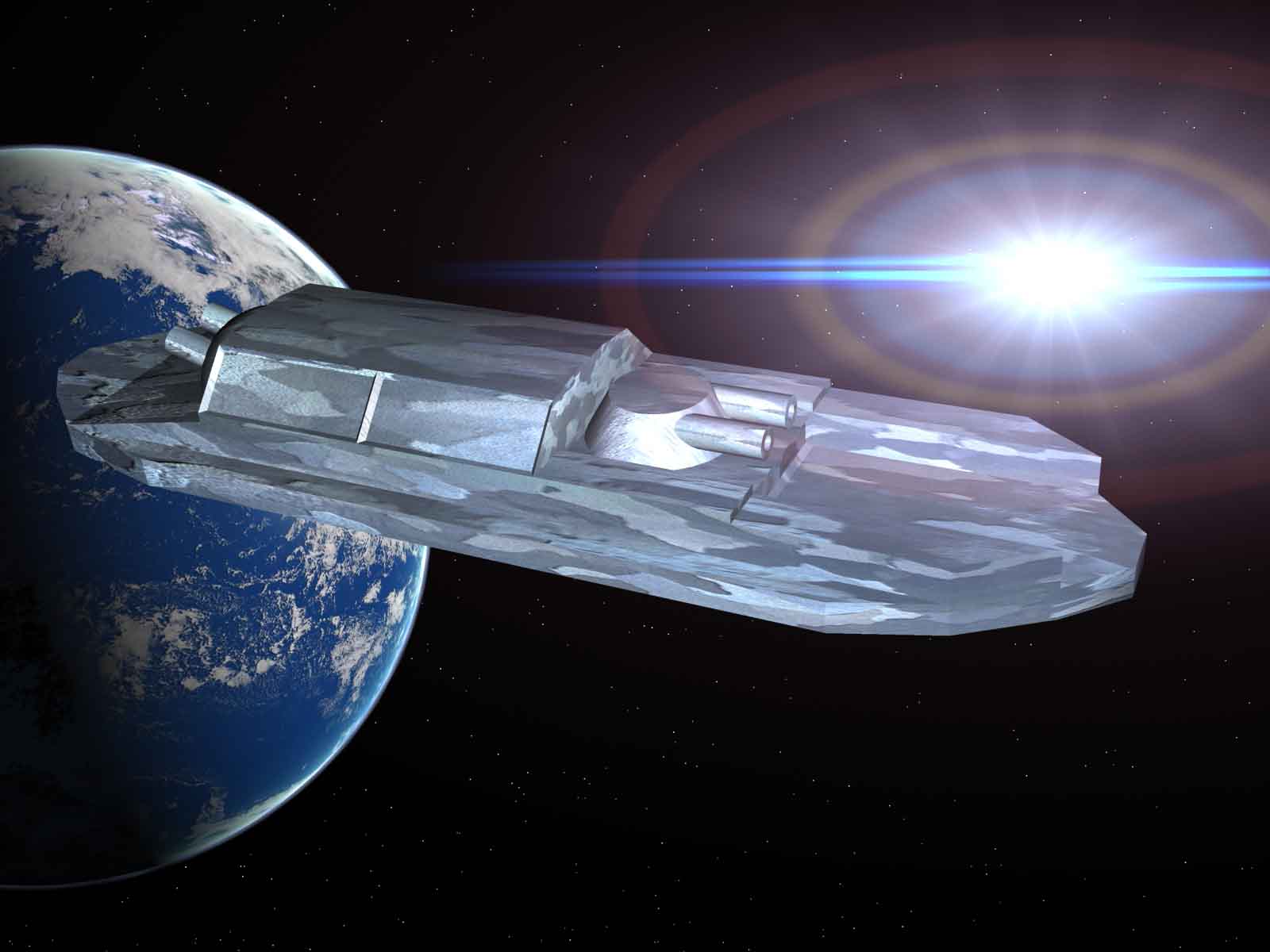
The W707 Denial of Victory cruiser is a more traditional support ship, designed strictly for fleet defense.
|
|
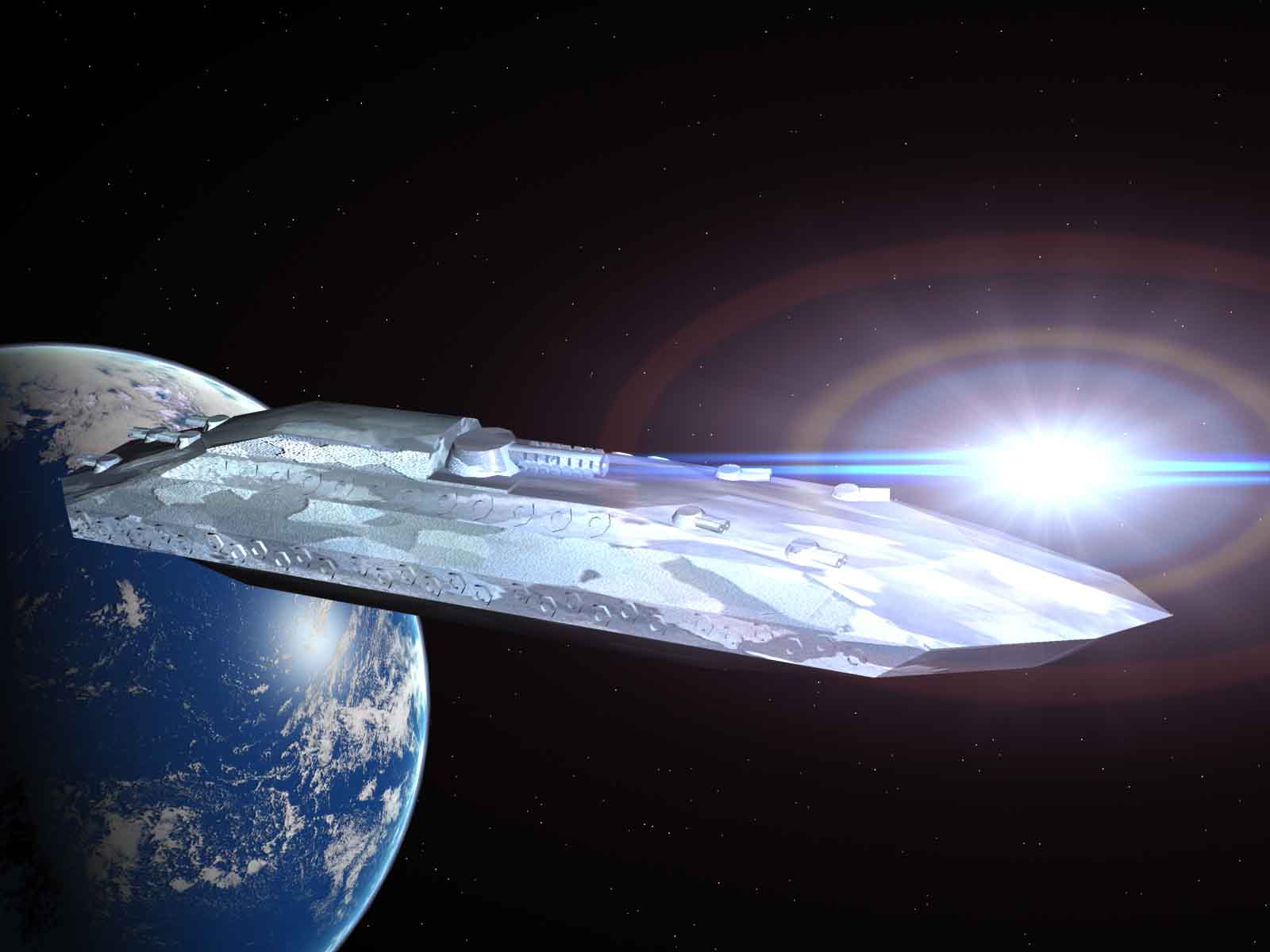
The N809 Alive Branch heavy destroyer was part of the fabled Nelson fleet revision. This destroyer was almost a capitol ship, and many of the remaining N809’s have been retooled as long range scout ships, operating independently from the fleet. The N809 is best known as being the only ship equipped with point-singularity weapons.
|
|
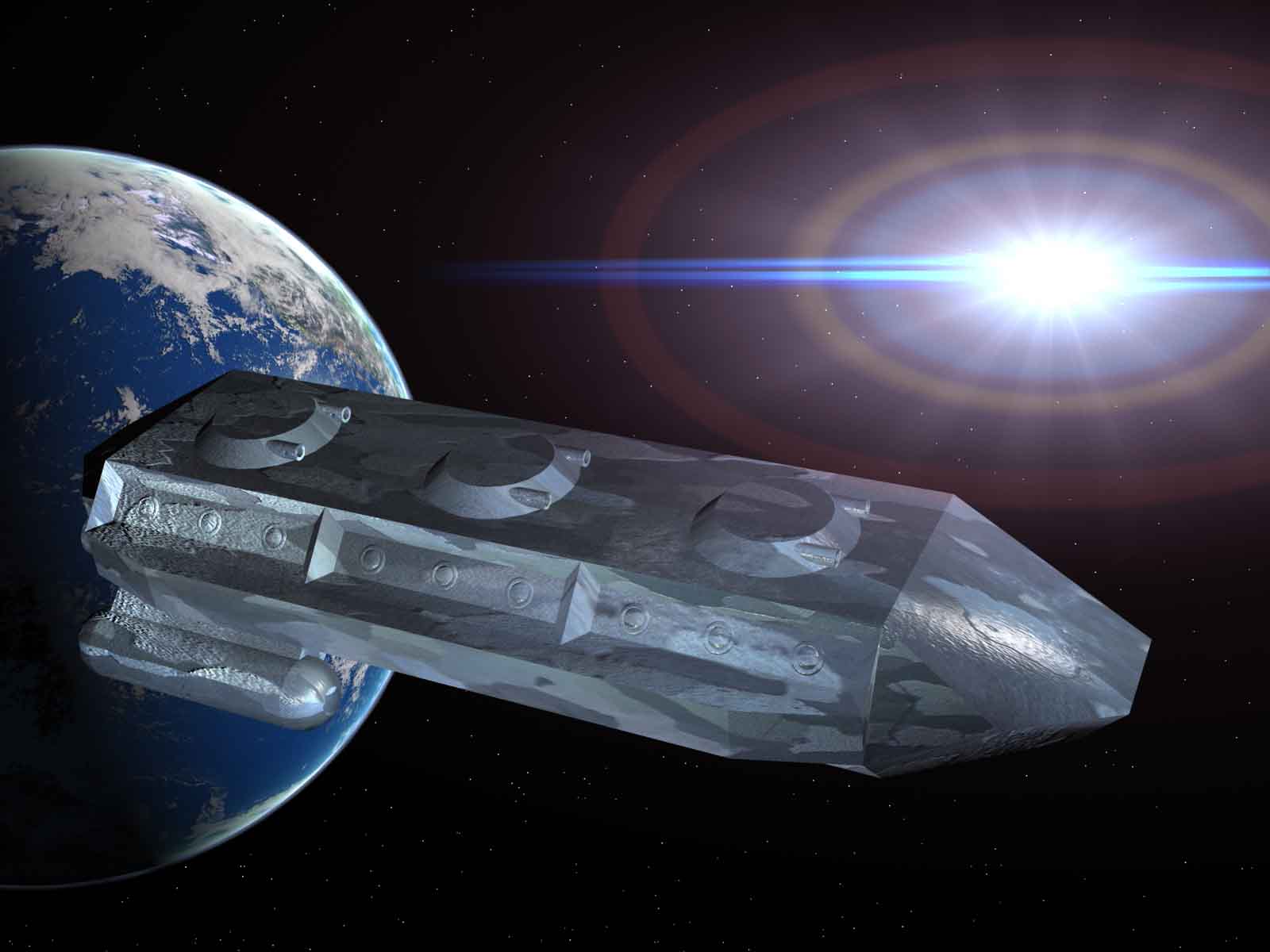
The T903 Dragon’s Breath light destroyer is part of the newest fleet revision. The Dragon’s Breath class was designed as a high speed support ship meant for shooting down incoming missiles when fighter support is lacking.
|
|
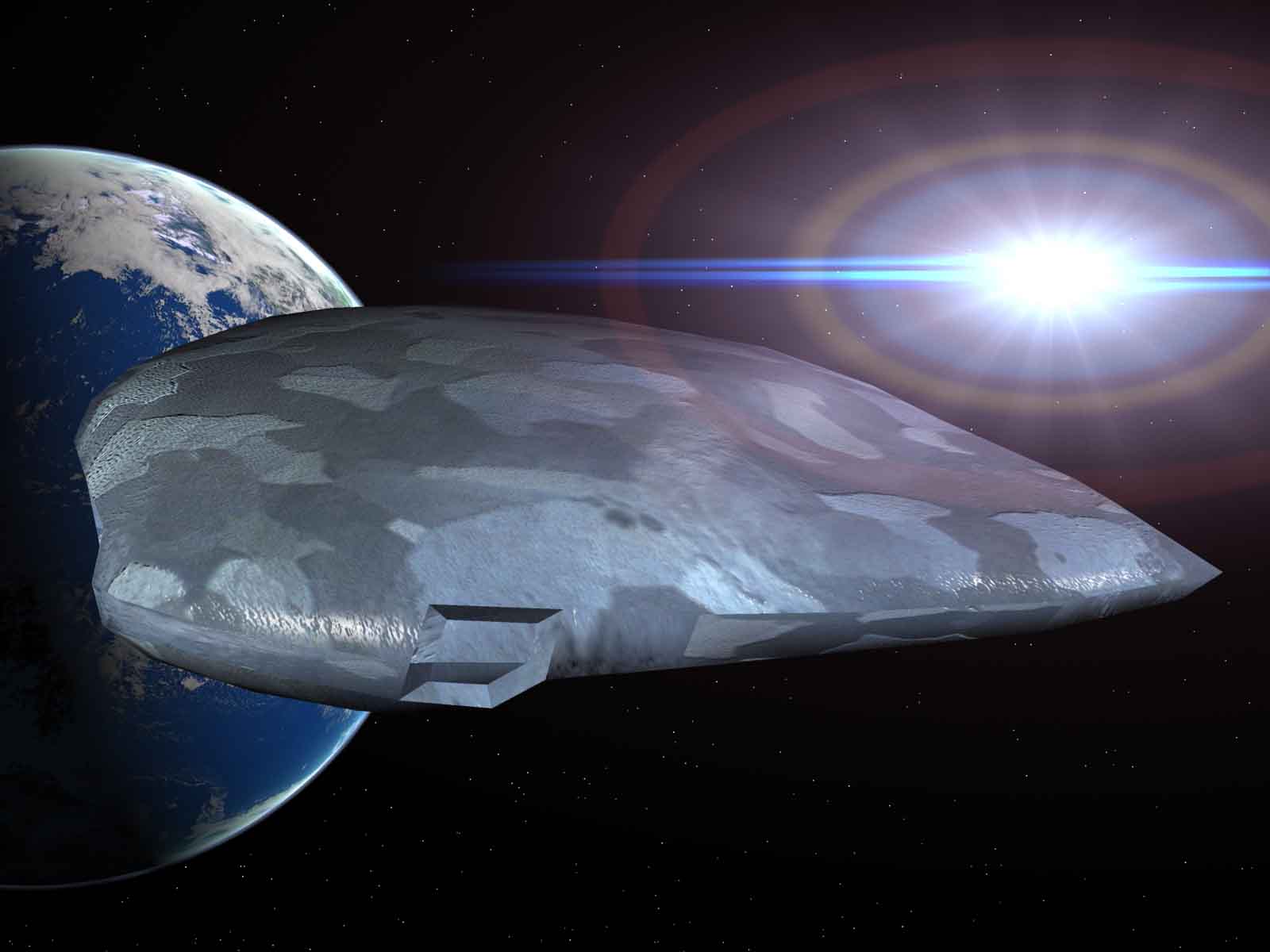
The N808, the fabled ‘lost destroyer’. This Glorious Heritage class light destroyer was designed and built beautifully, but never implemented properly. Of the over three hundred constructed, only one remains in active duty: the N-808-305 G.S.S. Saratoga.
|
|
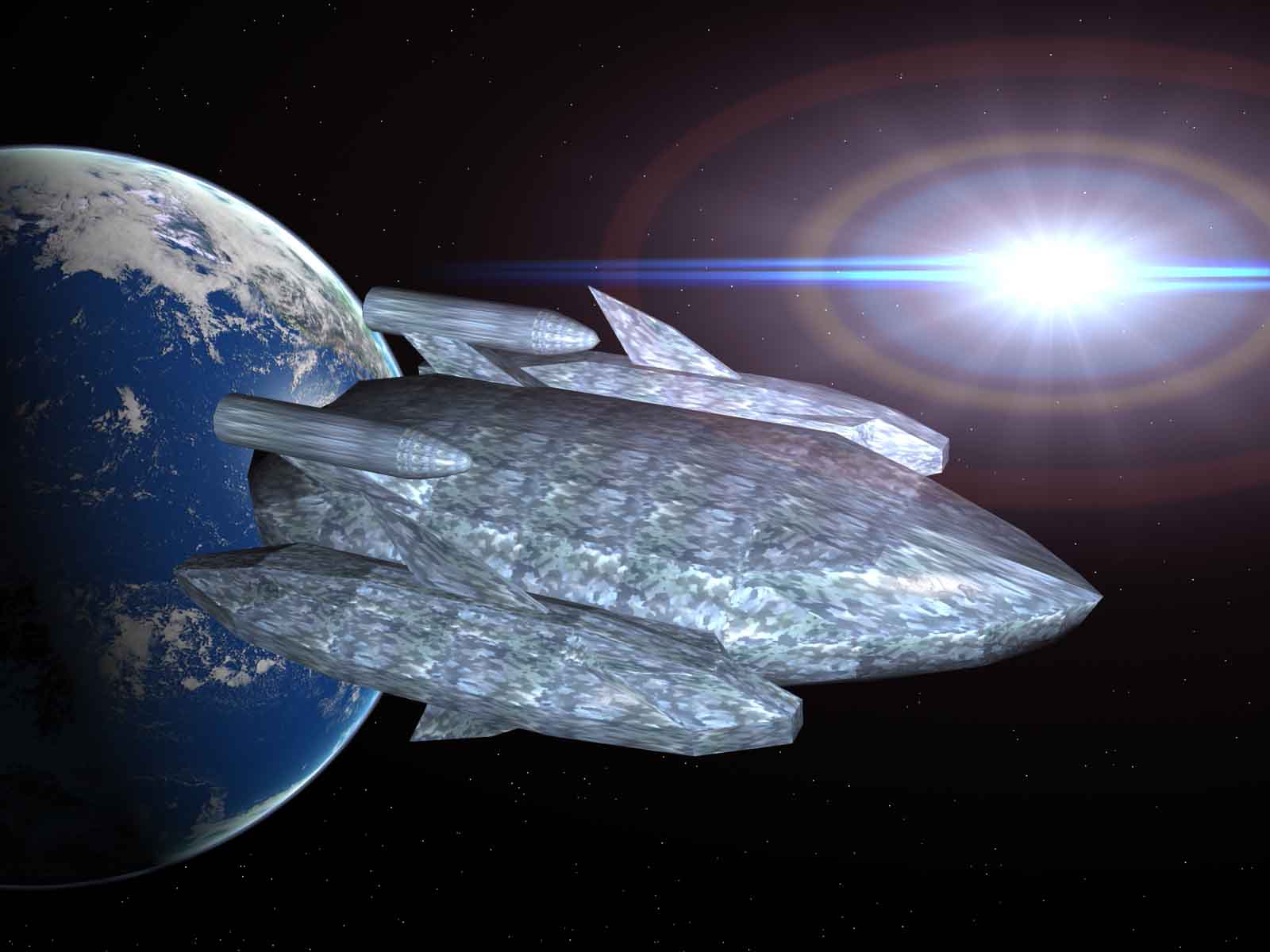
The G402 is part of the latest Gailen fleet revision, and this Backlash class support ship was designed specifically to cover the new Jusenkyou Class carriers.
|
Drop Ship Carriers and troop Transports

|
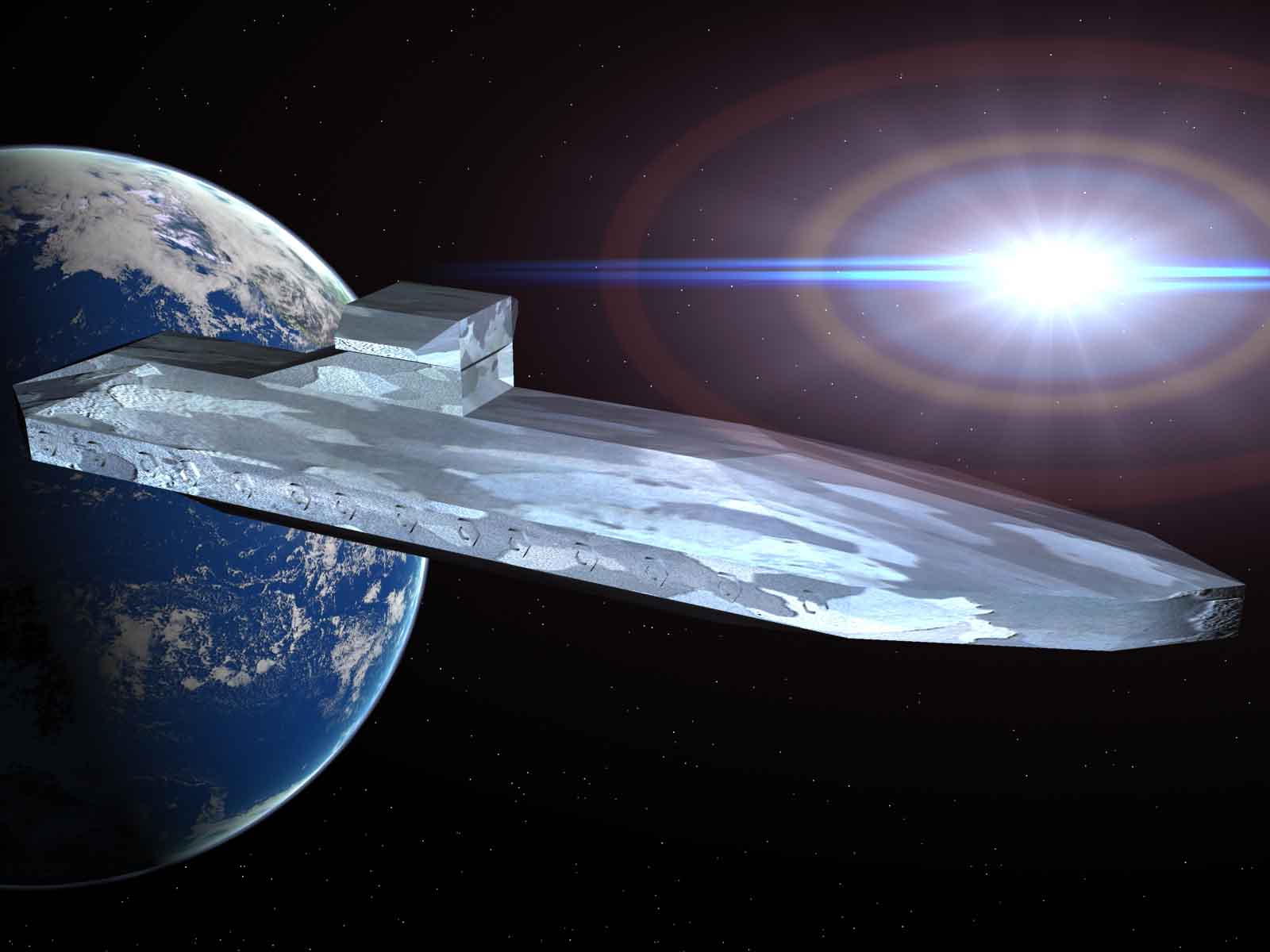
The W709 Rain of Fire is the most versatile carrier in the fleet. It is designed to carry Sinkers and Subras, but can be modified to carry any fighter in the fleet. It also has extensive missile batteries and is known for its ability to take more than a little damage.
|
|
The N802 Final Decision is another Nelson ship, this one designed to carry the mech drop ships. The N802 was built to counter air-to-air batteries, by carrying the Subra’s into the upper troposphere before launching them.
|

|
The D202 Balance of Virtue is a strictly troop-transport vessel, with a payload of 4 Sinkers and 800 troops. A typical ground campaign may require as many as 100 Balance of Virtue carriers.
|
Battleships
|
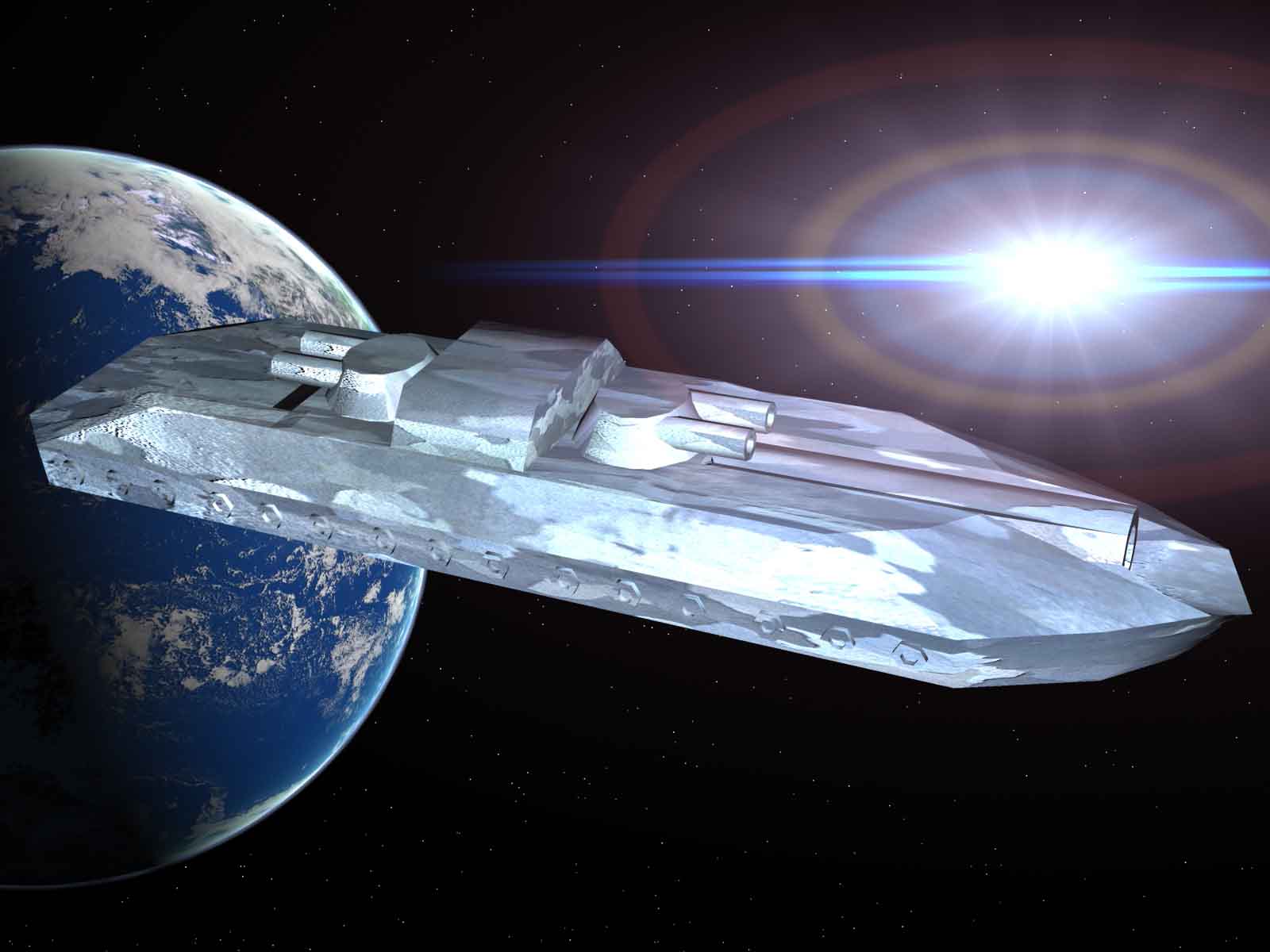
The N801 Gloria class gunship was the most highly sot-after ship in the Nelson line. Fleet marshals everywhere wanted them; they had good heavy guns, copious missiles batteries, and a main cannon that can penetrate almost any armor it encountered. Sadly, not enough N801’s were ever produced, and the next schedules fleet revision was destined to move in another direction.
|
|
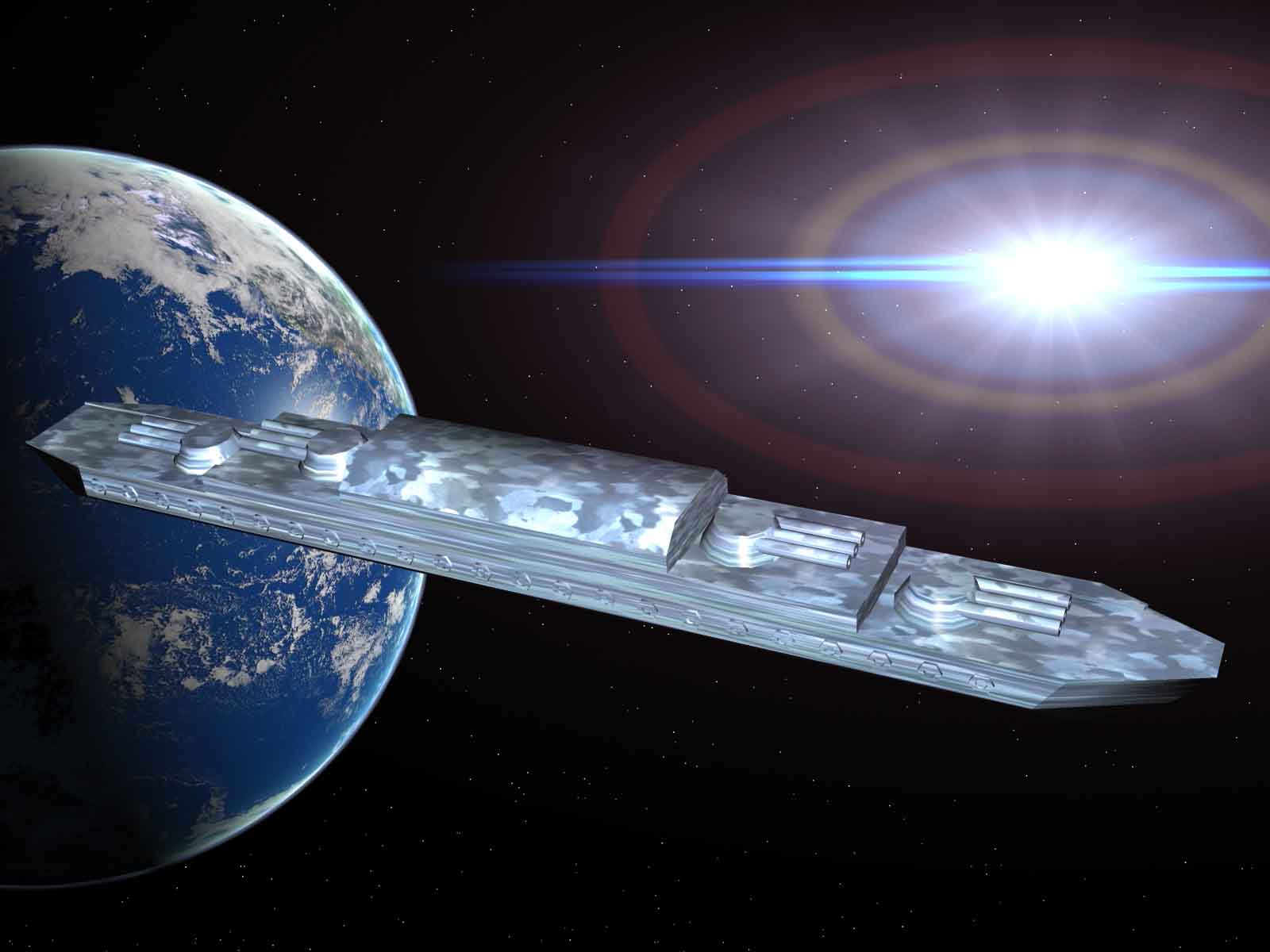
The S107 Challenge of Honor is a capitol ship unlike any other. Instead of staying back and using its weapons at range, the S107 takes the fight to the enemy.
|
|
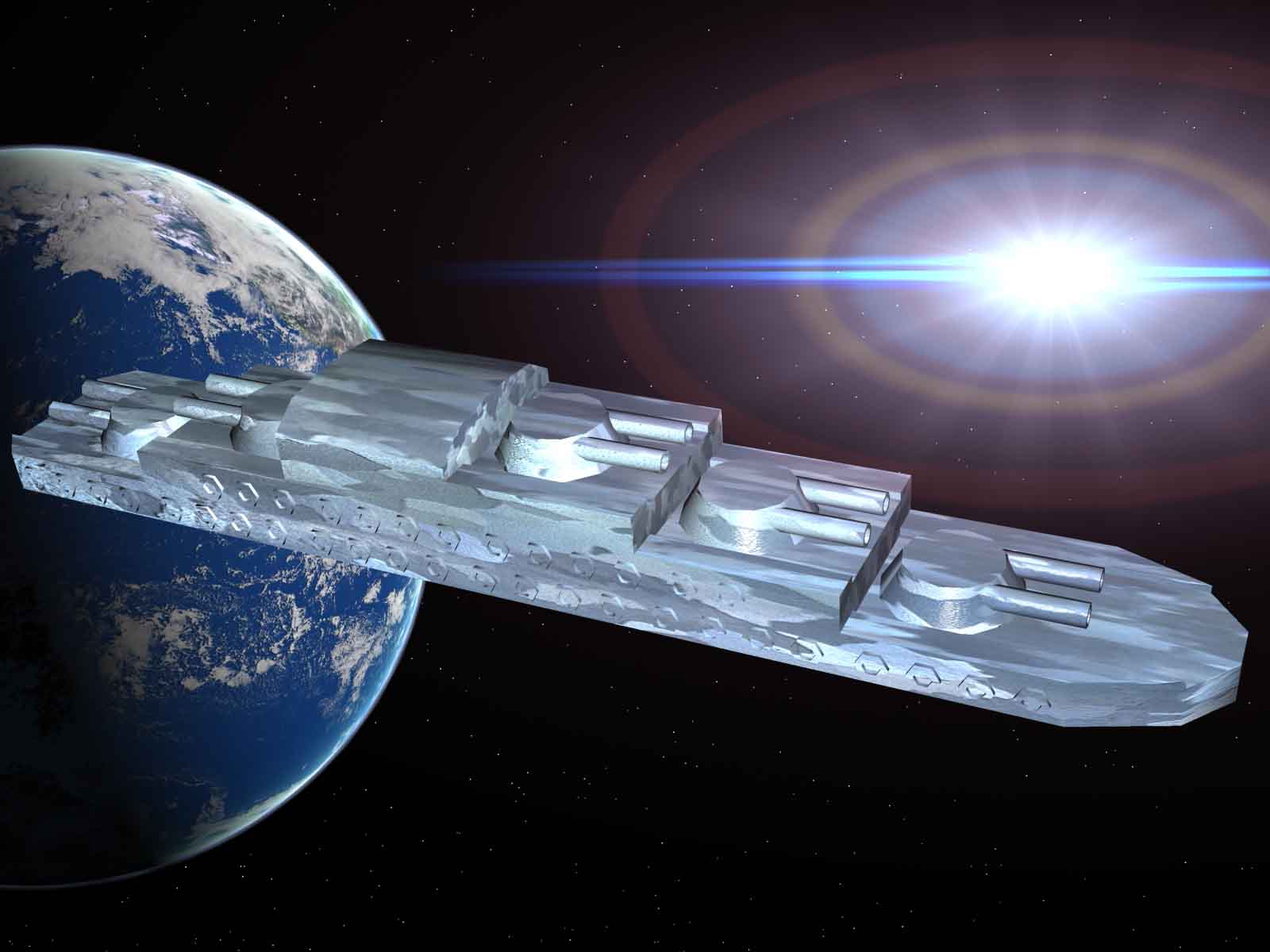
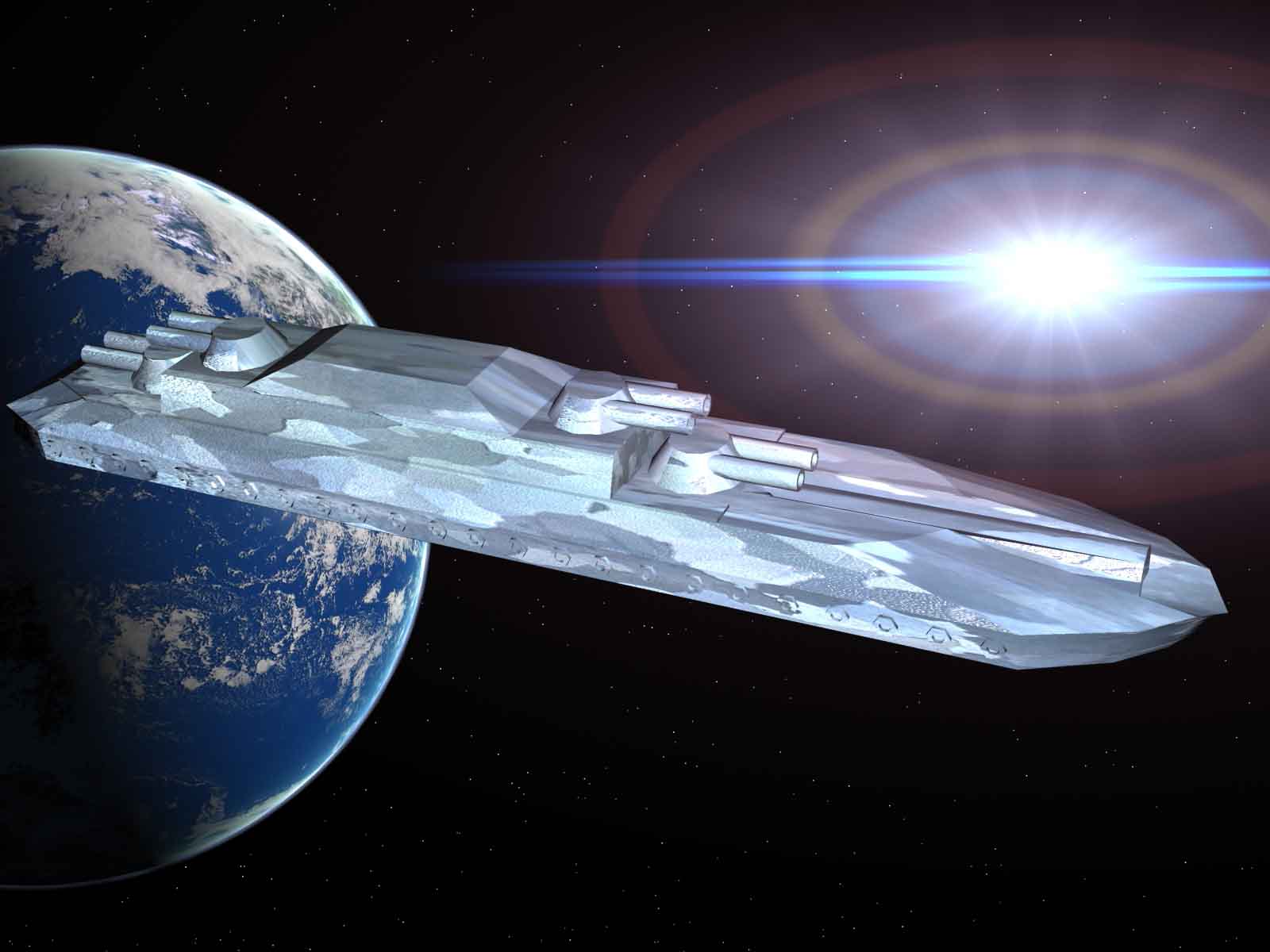
The L303 Faith Victory battleship is a classic battery ship. A ten gun ship of the line, this capitol ship can ream enemy formations at a maximum range of twenty light minutes.
|
|
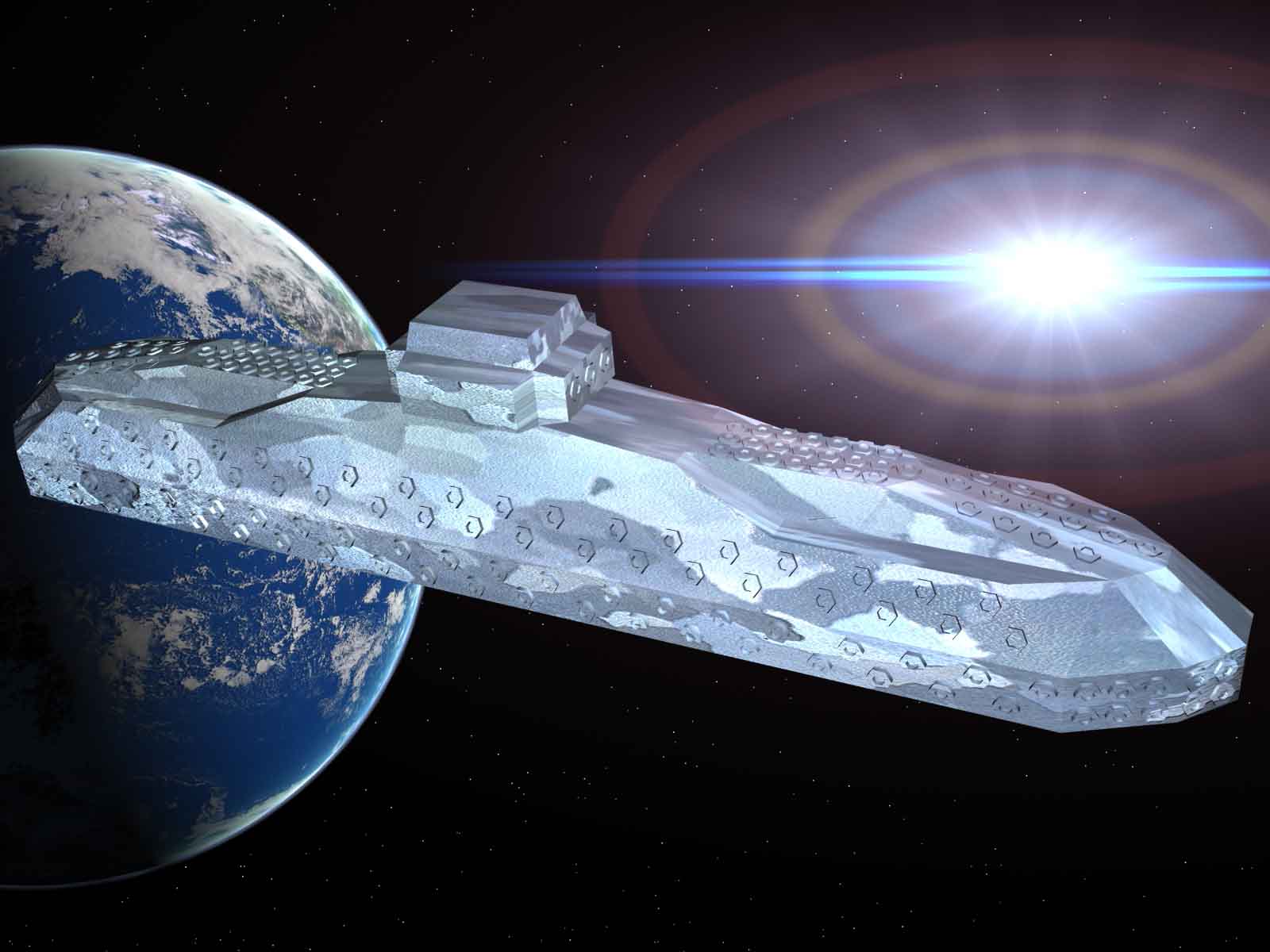
The N805 Alternate Vigilantly is another of the Nelson line. Because of its remarkable service records, these ships were deeply valued. Unfortunately, the majority were lost in the Battle of the Dark Twin, and most of the rest during the Gap Campaign. There are now 17 Alternate Vigilantly class battleships left.
|
|
The W704 is a ship that proved letting students decide on a class name is a mistake. The Pwnzaged Class battleship is a missiles gunship. It has over 400 independent missile batteries, each comprised of 10 missile tubes. Each tube can fire one missile every 6 seconds. In one minute, the Pwnzaged Class Battleship can fire 40,000 missiles. Basically, it’s a starship killer.
|

|
Of all the GS capitol ships, none can challenge the power of the S104 Glorious Victory class heavy gunship. The standard compliment of 18 guns, 200 missile batteries, 32 point-defense turrets, and 40 torpedo tubes. Most GS ships are organized into battle groups, but the Glorious Victory class ships are battle groups unto themselves.
|
Carriers
|
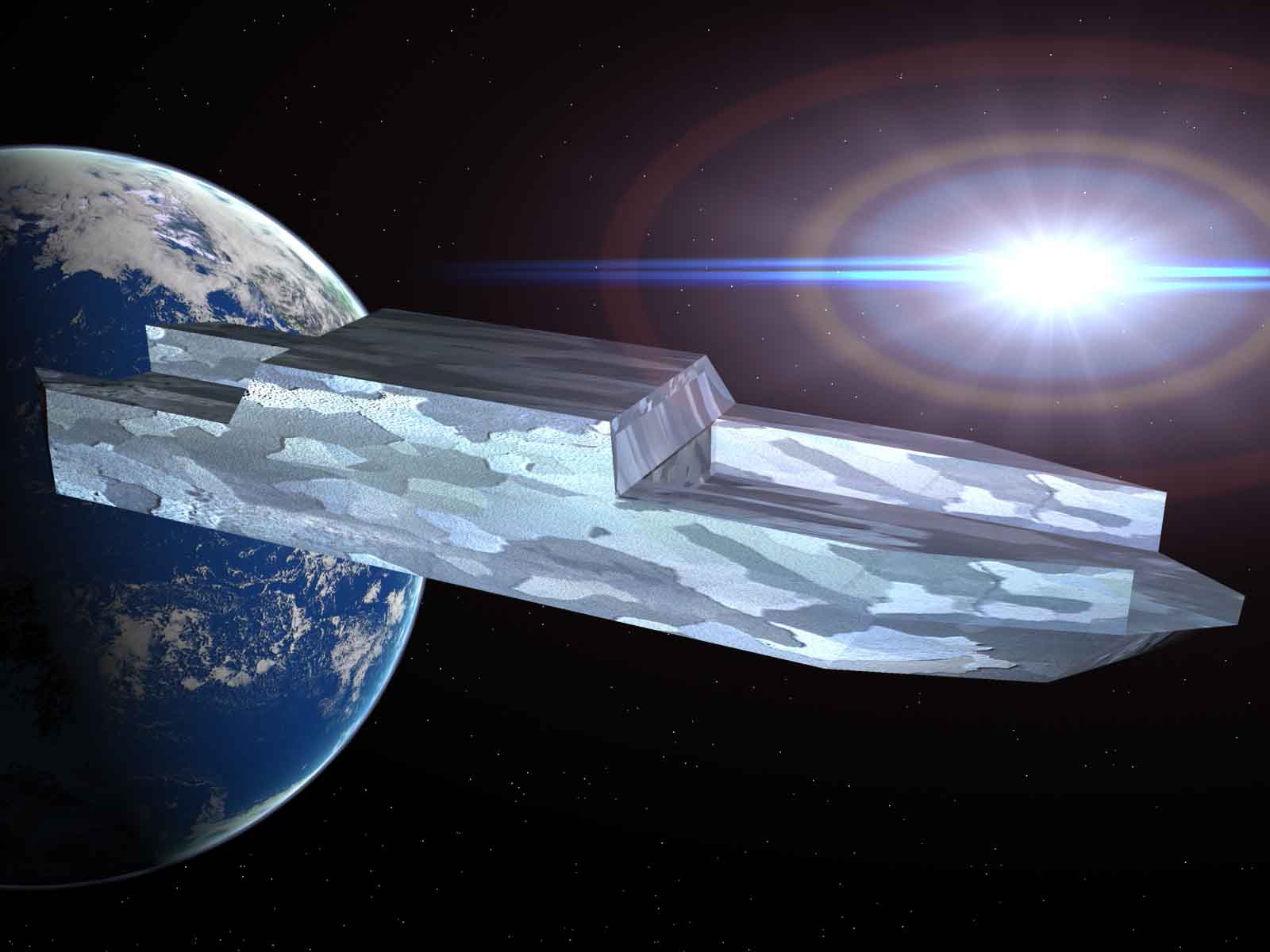
The D605 Infinite Dagger is the ever pestilent secret weapon of the fleet. Smaller than the average support ship, the Infinite Dagger carrier can drop a full wing of Harpies right on the enemy’s doorstep.
|
|
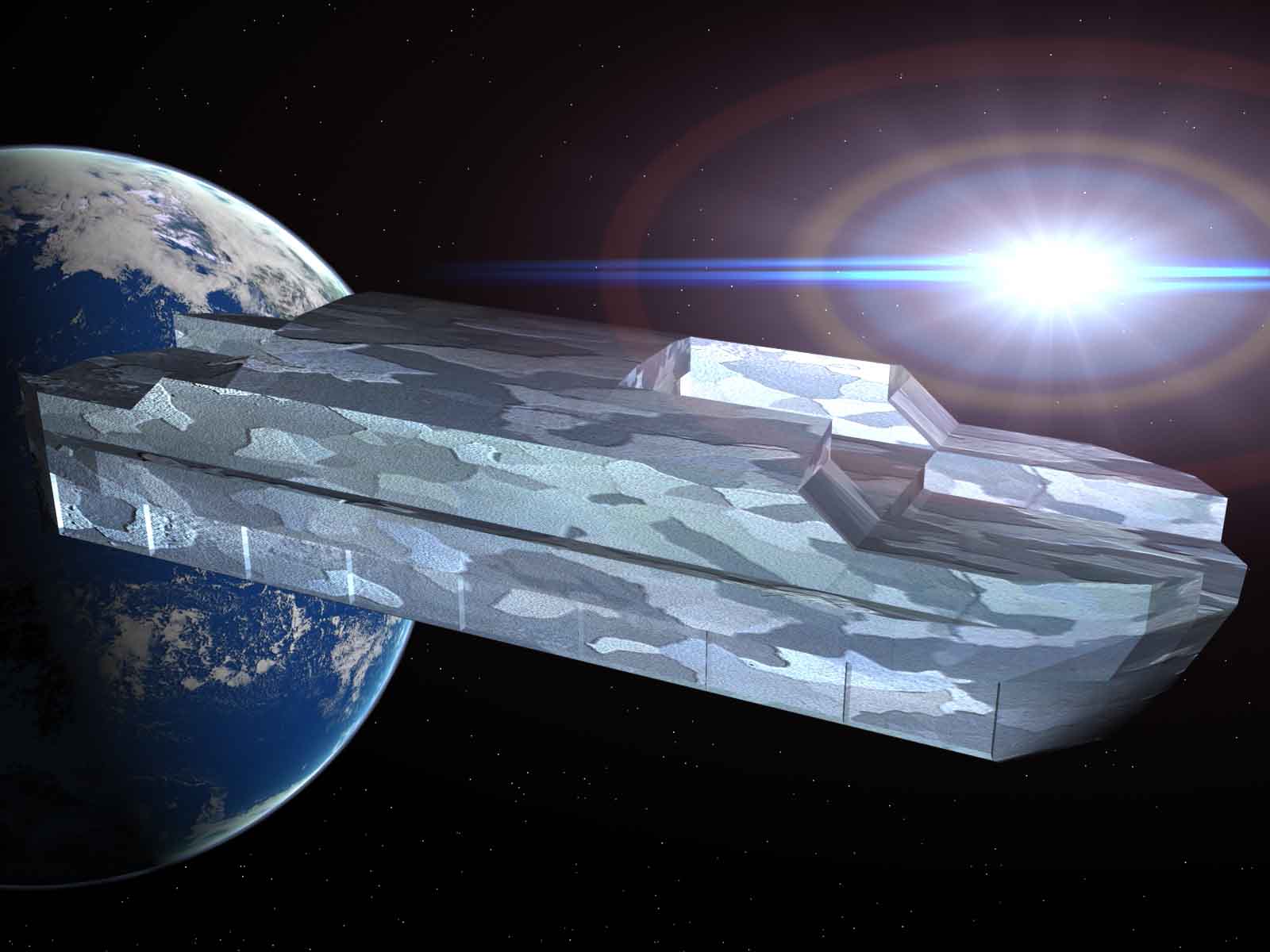
The T901 Broadsword is a multi-platform launch ship that carries 2 wings of Harpies and a wing of Gargoyles. They are seldom used however, and limited mostly to convoy protection.
|
|
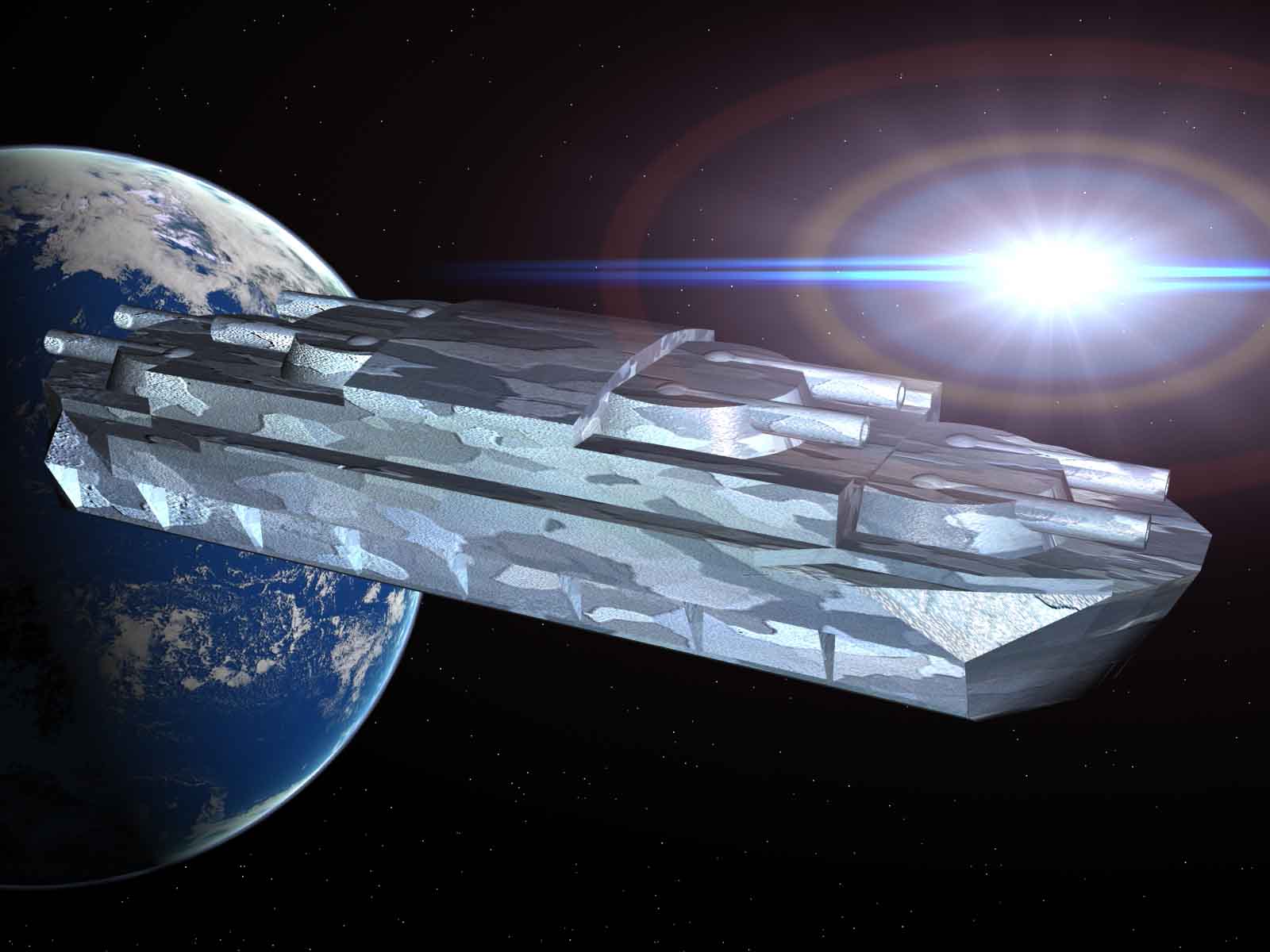
The T902 is the last of the ‘fusion’ series of starships. One part carrier, one part battery ship, the T902 sports 2 wings of Gargoyles and 4 guns.
|
|
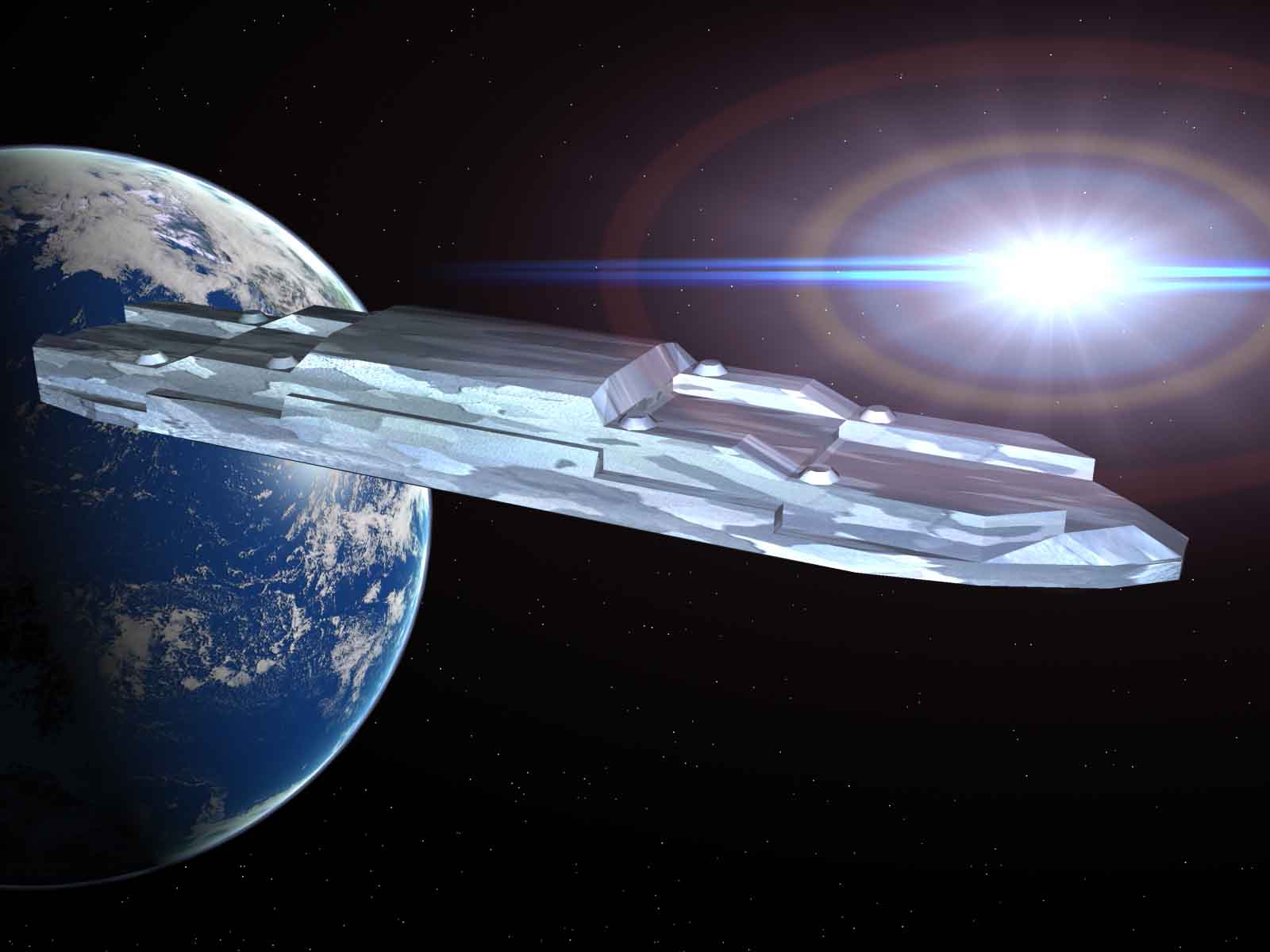
The N804 is the only Nelson carrier to take to the field. 3 other carriers were designed for the Nelson revision, but only this one ever reached the prototype and eventually production stages. The N804 carries 8 wings of Harpies.
|
|
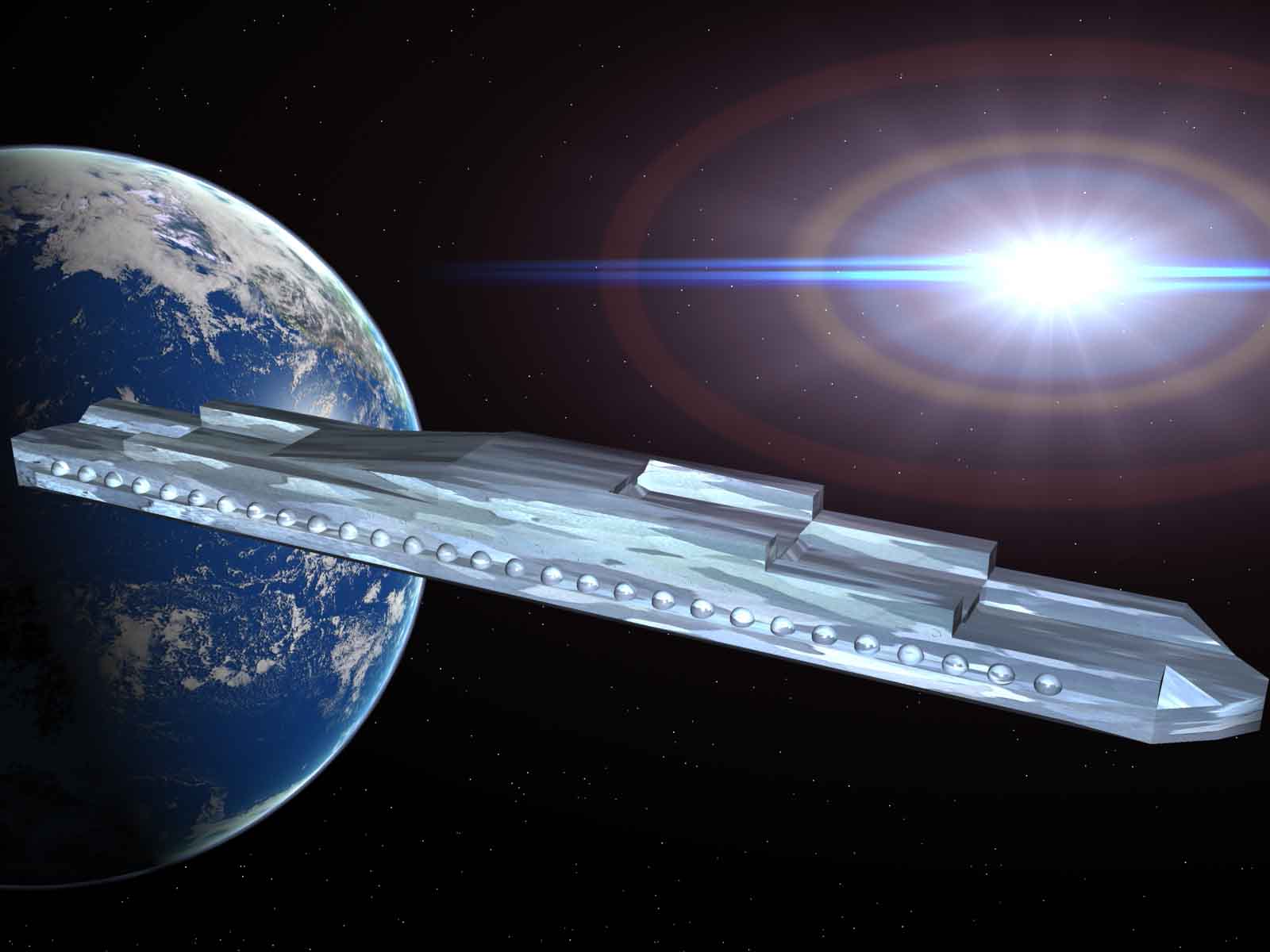
The D607 Enduring Crusader class carrier is a ship alone. Before the Nelson fleet revision, the Daken revision was hastily rushed to production. Fleet marshals were tired of the old ‘squishy’ carriers, the types that required extensive off board defense. The Enduring Crusader can not only take more than a few hits, it can give as well as it can receive.
|
|
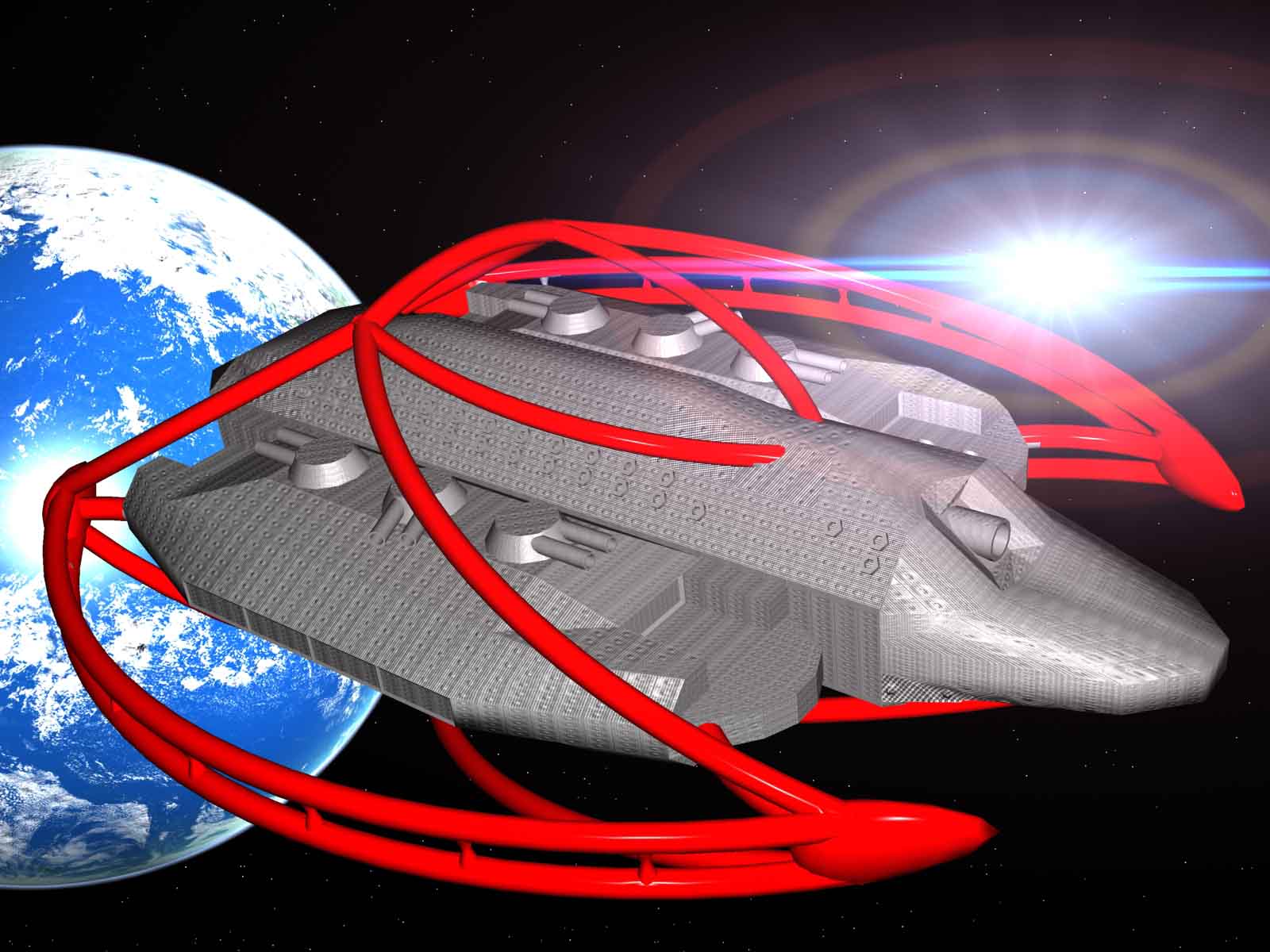
The G401, first off the line in the Gailen fleet revision. If the W704 was a starship killer, and the S104 was its own battle group, then the G401 Jusenkyou Class Carrier is a fleet in its own right. With its compliment of 512 Harpies, 128 Gargoyles, 4 Backlash support ships, and up to 8 Dragon’s Breath light destroyers, it can more than look after itself.
|
Motherships
|
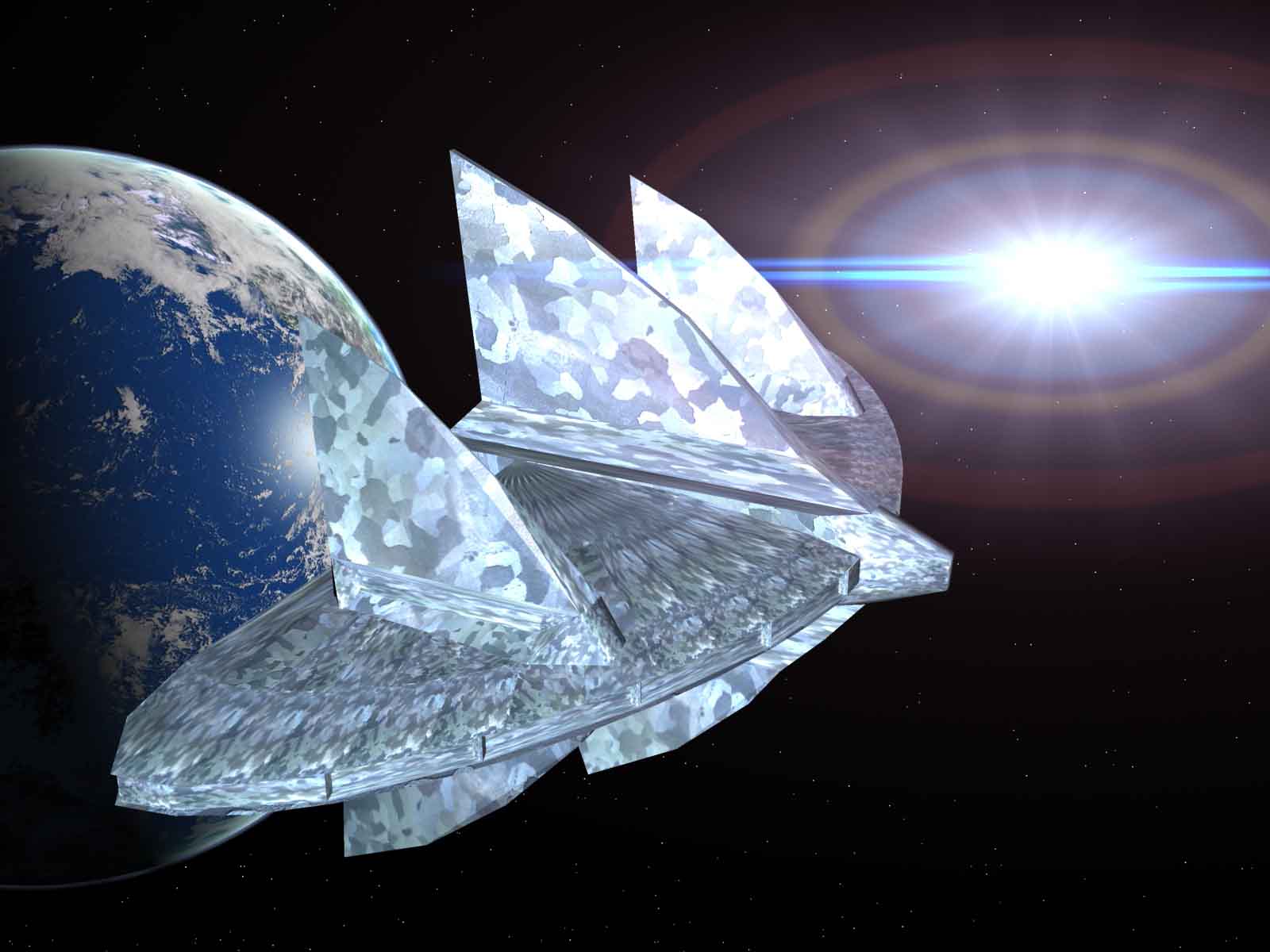
The Mothership. The name itself pretty much says it all. The Mothership is one step bellow a mercury ship; a portable starbase, shipyard, and planetary defense weapon, Gudersnipe Motherships are never alone. In fact, each Mothership is almost always protected by no less than twenty battle groups. Unfortunately, the Mothership is not as useful as it seems, and in fact the fleet only operates 10 of them total.
|
Mercury Ships
|
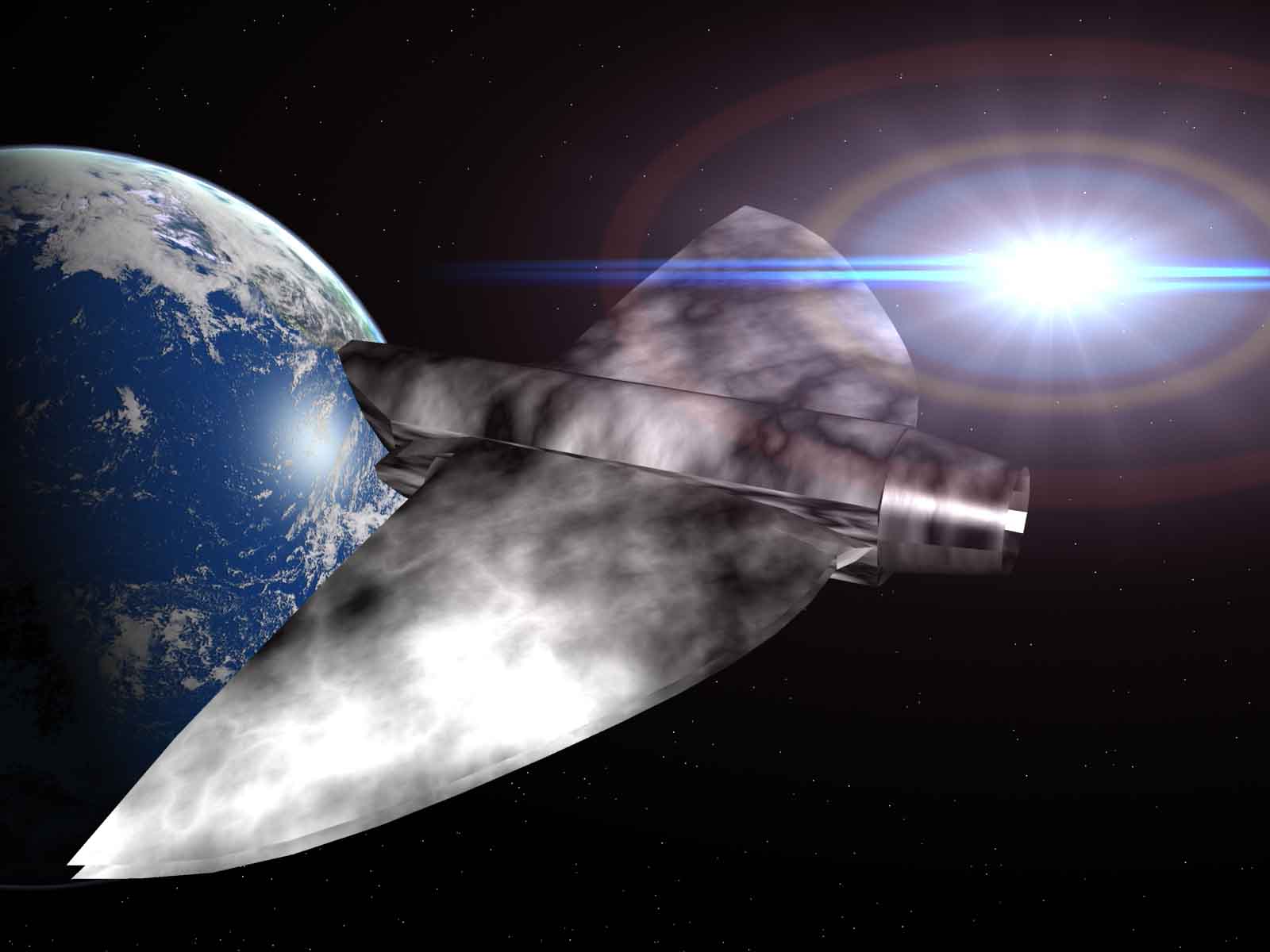
The concept of super weapons has existed for as long as warfare. In the early days of swords and bows, weapons like the castle and the trebuchet dominated. Now, for the age of space travel, Gudersnipe has introduced a new super weapon: the Mercury Ship. Shown here, the G.S.S. Cleopatra measures three hundred miles from wing tip to wing tip.
|
|
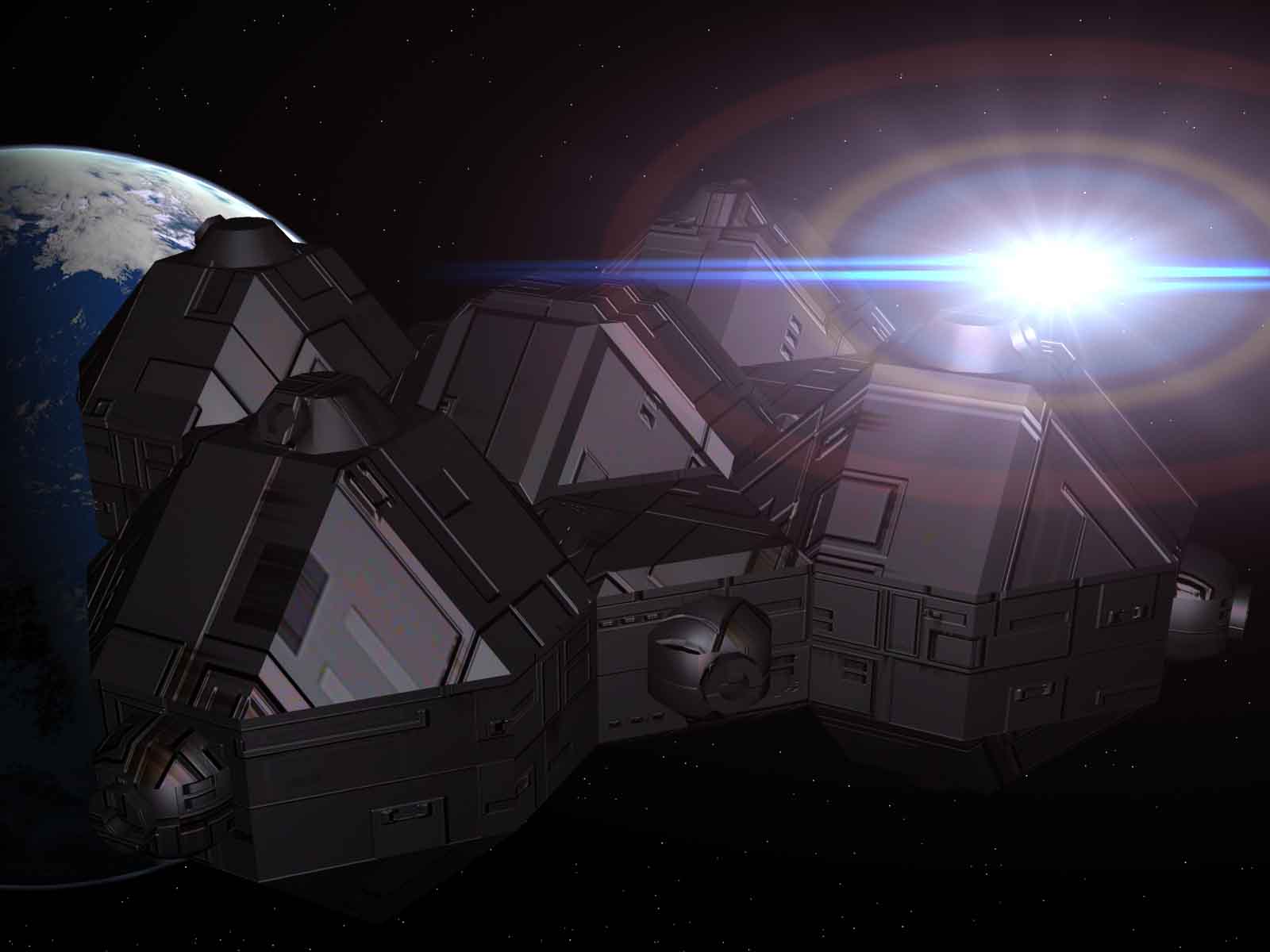
The Roger Young is the mercury ship that changed the course of history forever. A main cannon, with the ability to destroy nine planets in a single blow, and a fleet of defensive satellites. The Roger Young measures over 900 miles from end to end, and is so massive it can actually effect the tides of a planet.
|
|